Health guide
Weight Management Guide: A Safe Pace, Real Goals and Where Sodaslim Fits
The CDC says a steady loss of about 1 to 2 pounds a week is more likely to last. The NIDDK suggests a first goal of 5 to 10% of your starting weight within 6 months. Food, activity and sleep do the main work. A supplement such as Sodaslim is optional, small and never a treatment.
Written by the Sodaslim editorial teamUpdated
Start here
How fast is it safe to lose weight?
About 1 to 2 pounds a week is a safe, steady pace for most adults. The CDC says people who lose weight at that gradual rate are more likely to keep it off (CDC: Steps for losing weight).
That pace can feel slow. Over three months, though, it adds up to roughly 12 to 26 pounds. Faster loss is often water and muscle, and it tends to come back.
Weight is not a measure of effort or worth. Genes, age, hormones, medicines, sleep and stress all play a part. The NIDDK reports that 73% of U.S. adults have overweight or obesity (NIDDK: Choosing a weight-loss program). If that includes you, you are in very large company.
Small losses still count. The CDC notes that losing 5% of body weight, such as 10 pounds for a 200-pound person, can improve blood pressure, cholesterol and blood sugar (CDC: Steps for losing weight).
Set a goal
What is a realistic weight-loss goal for six months?
A realistic first goal is 5 to 10% of your starting weight within 6 months, according to the NIDDK (NIDDK: Choosing a weight-loss program). The table turns that range into pounds for a few starting weights.
| Starting weight | 5% goal | 10% goal | Weeks at 1-2 lb a week |
|---|---|---|---|
| 160 lb | 8 lb | 16 lb | 4 to 16 weeks |
| 180 lb | 9 lb | 18 lb | 5 to 18 weeks |
| 200 lb | 10 lb | 20 lb | 5 to 20 weeks |
| 250 lb | 12.5 lb | 25 lb | 7 to 25 weeks |
| 300 lb | 15 lb | 30 lb | 8 to 30 weeks |
Plateaus are normal. Most people lose faster in the first weeks and slower after. A goal you reach in month five is still a win.
What does the work
Which habits matter most for weight management?
Eating fewer calories from healthful food and moving more are the methods that work, the NIH Office of Dietary Supplements says (NIH ODS: Weight-loss supplements (consumer)). Sleep and steady routines make both easier.
A plan you can keep
The NIDDK says a good program uses a reduced-calorie eating plan you can live with, not a crash diet (NIDDK: Choosing a weight-loss program). Swap sweet drinks first; they add calories with little fullness.
150 minutes a week
Aim for at least 150 minutes of activity a week. For keeping weight off, the NIDDK range is 150 to 300 minutes (NIDDK: Choosing a weight-loss program). Walking counts.
Sleep and stress
Short nights tend to raise next-day snacking. A fixed wake-up time and a caffeine cut-off after early afternoon help many people sleep longer.
Start with one change, not five. Add a 10-minute walk after lunch, or replace one soda a day with water. Build the next habit once the first feels automatic.
Choosing a program
What are the warning signs of a bad weight-loss program?
The biggest warning sign is a promise of fast loss with no effort. The NIDDK lists these red flags for weight-loss programs and products (NIDDK: Choosing a weight-loss program):
"Lose 30 pounds in 30 days!"
That is about 7 pounds a week, more than three times the CDC pace.
"Without diet or exercise"
No product replaces eating changes and activity. The FTC says no product lets you eat all you want and still lose weight (FTC: Truth behind weight-loss ads).
Tiny print
Key terms, costs or conditions hidden at the bottom of the page or in a long policy.
Too-good photos
Before-and-after pictures that seem too good to be true. They can be stock images or altered.
A good program does the opposite. It explains its plan, involves a qualified professional, sets a gradual pace and tells you its full cost up front. The article on ad claims to ignore lists more phrases to watch for.
Track progress
Is the scale the only way to track weight management?
No. The scale is one number among several. Waist size, energy, sleep and how your clothes fit often move before the scale does.
- Weigh once a week, same day, same time, same scale.
- Measure your waist at the navel once a month.
- Note sleep hours and afternoon energy in a simple log.
- Write down any new medicine, since some affect weight.
Daily weighing swings with water and salt, which can be discouraging. A weekly average tells you more.

Where a supplement fits
Where does a supplement like Sodaslim fit in a weight plan?
At the edges, if at all. Food, activity and sleep stay the main plan.
A supplement can add a little; it cannot do the main work. The NIH Office of Dietary Supplements says caffeine "might help you lose a little weight", and that the body builds tolerance to it (NIH ODS: Weight-loss supplements (consumer)).
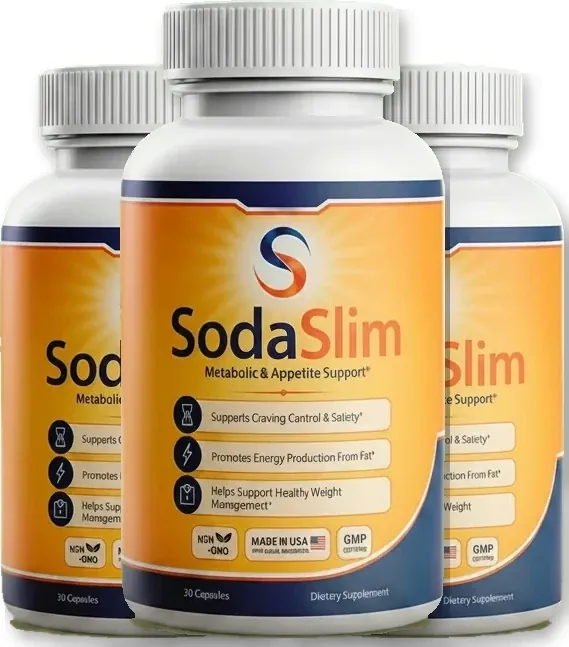
Sodaslim is a once-a-day capsule built around 138 mg of caffeine anhydrous. In one study cited by the NIH, 100 mg of caffeine raised calorie burn by about 9 calories an hour for three hours or more (NIH ODS: Weight-loss supplements (HP)). That is real, but small. The four plant extracts sit below the amounts used in trials, or have no human study of their own.
Read the bars as context, not as a verdict. Lower doses also mean less exposure to the rare liver problems linked to high-dose green tea extract and garcinia. If you try Sodaslim, use it as one small extra and judge it inside the 60-day refund window. The results timeline sets out realistic expectations.
Sodaslim is a dietary supplement, not a drug and not a treatment for obesity, diabetes or any disease.
Medical help
When should I see a doctor about my weight?
See a doctor before you start if you have a health condition, take prescriptions, or want help setting goals. A doctor can check blood pressure, blood sugar and thyroid, and can tell you whether medical options suit you.
Weight loss you did not plan, chest pain, a racing or irregular heartbeat, fainting, or signs of liver trouble such as dark urine, yellow skin or eyes, or belly pain.
Tell your doctor or pharmacist about every supplement you take, as the NIDDK advises (NIDDK: Choosing a weight-loss program). That includes any caffeine capsule. A pharmacist can check a supplement against your prescriptions in a few minutes.
A first month
What does a steady first month of weight management look like?
Week 1: notice
Log meals, drinks, sleep and steps for seven days. Change nothing yet; just collect facts.
Weeks 2 and 3: add
Add one daily walk and one water swap. Keep a fixed wake-up time, weekends included.
Week 4: review
Compare weekly weight, waist and energy. Book a clinician visit to plan the next step.
FAQ
Weight management guide questions
How many pounds a week is a healthy weight loss?
About 1 to 2 pounds a week is a healthy pace for most adults, according to the CDC. People who lose weight at that gradual, steady rate are more likely to keep it off. Faster loss often includes water and muscle and tends to return.
What is a good first weight-loss goal?
A good first goal is 5 to 10% of your starting weight within 6 months, the NIDDK says. For a 200-pound person, that is 10 to 20 pounds. Even 5% can improve blood pressure, cholesterol and blood sugar, according to the CDC.
How much exercise do I need to manage my weight?
Aim for at least 150 minutes of activity a week, such as brisk walking, the NIDDK advises. To keep weight off, the range is 150 to 300 minutes a week. Start with short walks if you are new to exercise, and ask a doctor if you have a heart or joint condition.
Can a caffeine supplement help with weight management?
A caffeine supplement may help a little at most. The NIH says caffeine might help people lose a little weight, and the body builds tolerance to it. Food, activity and sleep do the main work. Count every source of caffeine and stay within 400 mg a day.
Is Sodaslim a weight-loss treatment?
No. Sodaslim is a dietary supplement built around 138 mg of caffeine, about one cup of coffee, plus four plant extracts. It is not a drug and not a treatment for obesity or any disease. Its label claims metabolic and appetite support, which is the brand's claim, not a tested result.
What are red flags in a weight-loss program?
Red flags include promises like "Lose 30 pounds in 30 days!", loss "without diet or exercise", key terms in tiny print, and before-and-after photos that seem too good to be true. The NIDDK lists these signs. A good program sets a gradual pace and states its full cost.
Who wrote this
Written and reviewed by
Plain-language pages built from the bottle label, the order page and linked public health sources such as NIH, FDA and CDC.
Last updated . Read our editorial standards and how we check reviews. This website is run by a U.S. retail desk for Sodaslim, not by the manufacturer. We earn money when you buy through our order links.
Keep reading
More about Sodaslim

Choosing a weight-loss supplement
Five checks for any weight-loss supplement, from hidden drugs to refund terms, with Sodaslim scored by the same rules.
Read more
Results timeline
How long the ingredient trials ran, a realistic weekly pace, and a tracking table to judge Sodaslim by day 60.
Read moreWeight-loss ad claims to ignore
The FTC's seven false weight-loss claims, fake news sites, logos and testimonials, and how Sodaslim's sales page compares with its label.
Read moreLicensed U.S. retail desk for Sodaslim
Ready to try Sodaslim?
Pick a pack. One capsule a day; every pack covers the whole 60-day window.
- Secure checkout
- 60-day money-back window
- Free U.S. shipping on 3+ bottles